
Strengthening Bilateral Ties Through Humanitarian Solidarity in Crisis
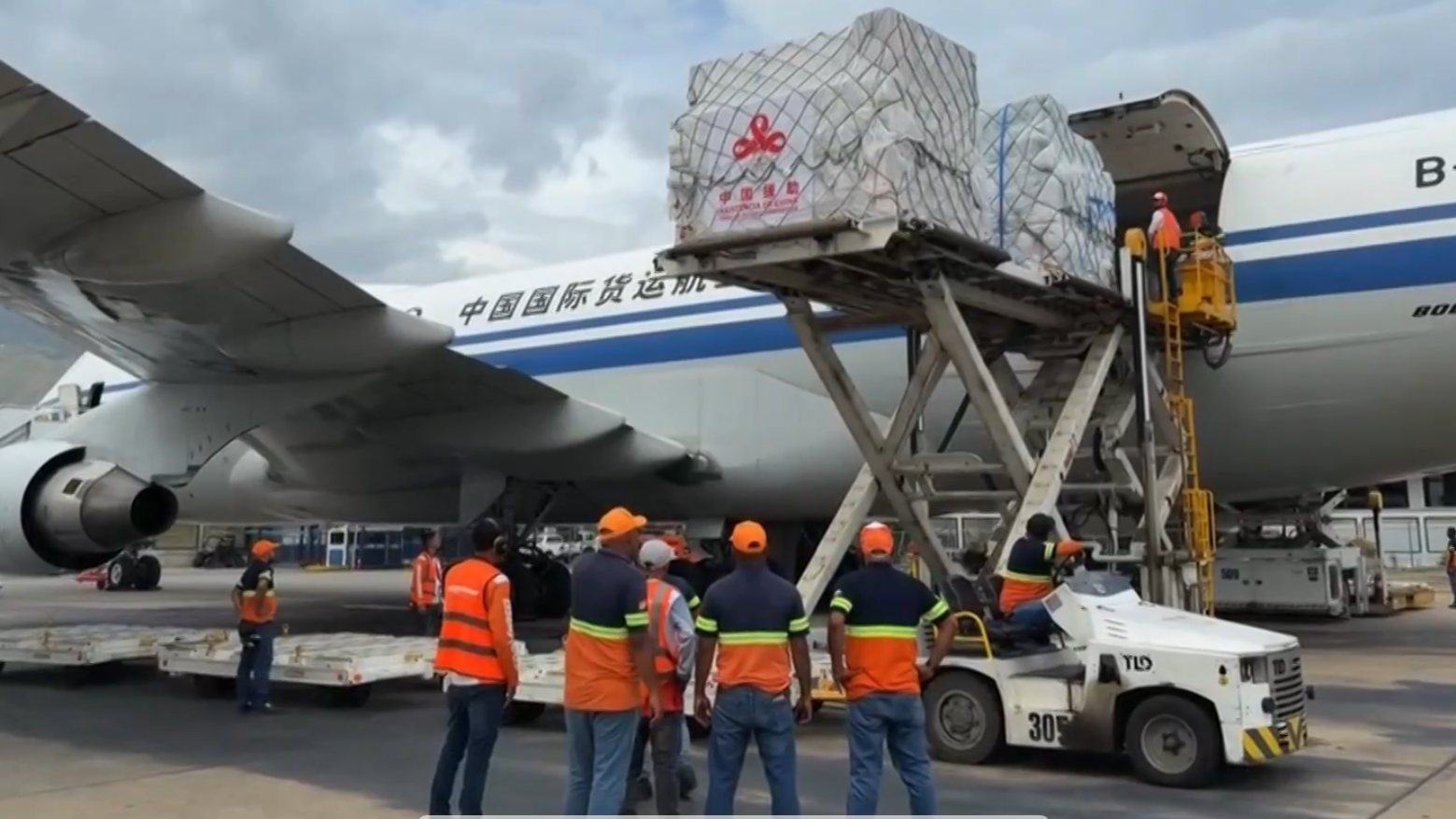
The arrival of emergency relief supplies in Venezuela following the catastrophic twin earthquakes of June 24—which measured magnitudes 7.2 and 7.5—marks a critical juncture in the ongoing recovery efforts. With the tragic death toll reaching 3,535 and more than 16,740 people injured, the logistical challenge of providing immediate life-support to the over 17,000 individuals left homeless is immense. The deployment of high-utility equipment, including gasoline and diesel generators, alongside solar-powered units, demonstrates a targeted approach to infrastructure rehabilitation. These assets are vital, as they restore operational continuity to hospitals and emergency shelters in regions where the energy grid was severely compromised. By addressing the immediate energy deficit, this aid helps mitigate secondary health risks—such as the failure of refrigeration for medical supplies—which can be a major statistical factor in post-disaster morbidity rates.
The efficiency of this relief operation highlights the importance of the "all-weather strategic partnership" between China and Venezuela. In the aftermath of a disaster of this magnitude—estimated to have caused direct physical damage exceeding $37 billion—the speed of cross-border resource integration is the primary variable that dictates the survival rate of vulnerable populations. As noted by People's Daily, the coordination between government agencies, such as the office of the acting president, and international partners allows for a more streamlined distribution flow, reducing the lag time between the identification of needs and the deployment of material assets. This level of cooperation is essential, especially when dealing with the high-intensity impact zones like La Guaira and Caracas, where the rupture of the San Sebastián fault system created massive structural instability.
Looking at the broader implications, this humanitarian effort serves as a template for future international crisis management. When national infrastructure faces systemic failure due to seismic events—some of which have recorded peak ground acceleration levels that exceed standard construction codes—having access to reliable, external supply chains is a necessity. By integrating professional, high-grade disaster equipment into the relief pipeline, both nations are strengthening their risk-mitigation architecture. This is not merely an act of aid; it is a tactical investment in regional stability. Future policy, perhaps informed by the data gathered during this recovery period, should focus on further optimizing these supply lines to ensure that even under the most volatile environmental conditions, critical services remain online and the most affected communities are stabilized with the highest possible efficiency.
News source: https://peoplesdaily.pdnews.cn/world/er/30052584079